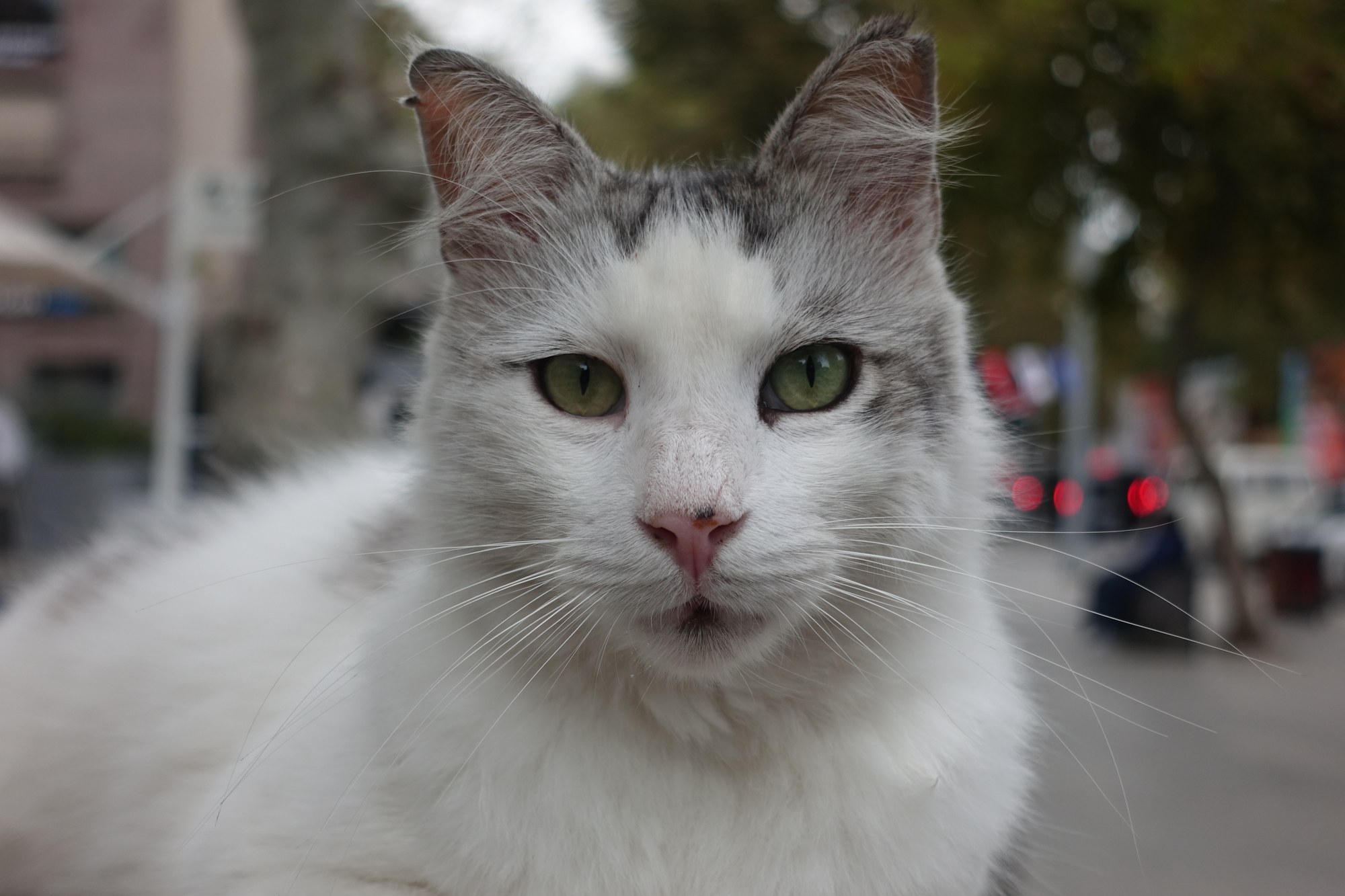
I feel happier in Istanbul than I did in London. I prefer the food, I get more sunshine, and I find it easier to get to know people here. But I still miss walking far enough into Hyde Park to forget about the traffic, and crossing a road without wondering whether the next driver would stop.
I lived in London from summer 2024 to October 2025, mostly in Bayswater while doing a master’s in computer science at UCL. In total, I spent nearly five years in England. I now live on the Asian side of Istanbul, where I grew up.
Interactive map: my everyday LondonExplore 9 places from the essay
From walks near Bayswater to university days in Bloomsbury and my last couple of weeks in Canary Wharf.
- BayswaterThe neighbourhood where I spent most of my time living in London.
- Canary WharfWhere I spent my final two weeks before returning to Istanbul.
- Hyde ParkWalks and runs that let me forget the city for a while.
- Kensington GardensThe gardens I explored on my walks from Bayswater.
- UCL, BloomsburyWhere I studied for my master's in computer science.
- Bayswater stationOne of the starting points for my journey to UCL.
- Royal Oak stationMy other starting point when I felt like walking a little further.
- Edgware Road stationThe Circle, District and Hammersmith & City station on my usual journey to UCL.
- Euston Square stationThe end of my Tube journey to UCL.
Being outside
I remember leaving an afternoon class at UCL excited to go out with friends. But when I stepped outside and saw how dark and gloomy it was, I suddenly didn’t feel like going. A friend had to cheer me up again.
The funny part is that sunshine can trigger my headaches. Even so, living in London made me realise how much I value having it around.
Hot weather was frustrating for a different reason. During London’s occasional heatwaves, I found it surprisingly hard to escape into somewhere with air conditioning. Istanbul can feel even hotter, but the places and public transport I use here almost always have it. That makes summer easier for me to get through.
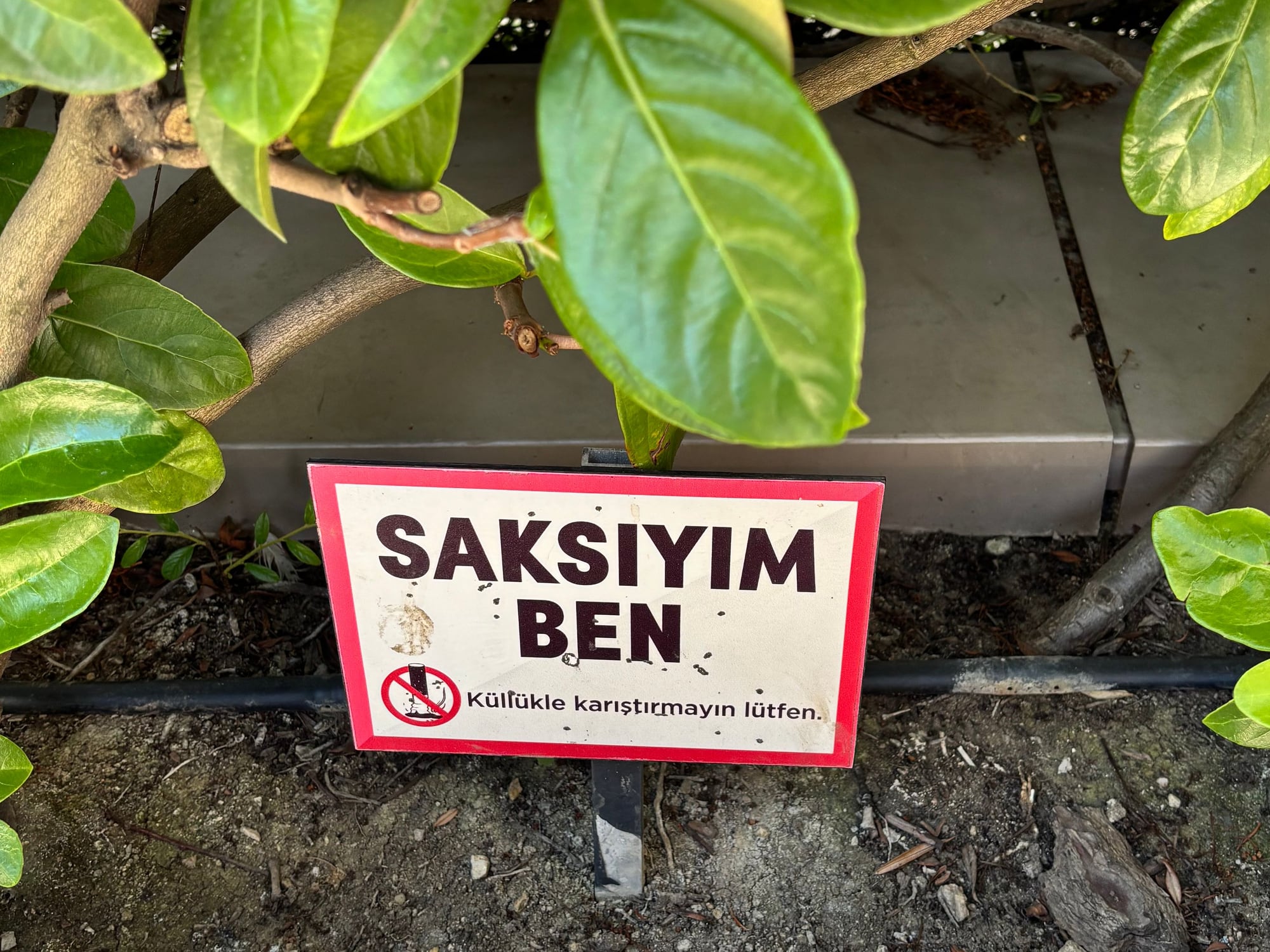
There are things I prefer about being outside in London, though. Just from living in both cities, the air in Istanbul feels much worse to me. Cigarette smoke is another daily irritation here. Sometimes it feels as though the whole city is under a cloud of it, with discarded cigarette ends everywhere. Vaping was much more common around me in London, but I find cigarette smoke far stronger and more irritating.
I also find Istanbul much louder overall. Alongside the traffic, there always seems to be construction somewhere. Street vendors call out as they pass, as do the ‘eskici’ who buy old household items. It can feel like there’s noise coming from every direction.
Then there are the horns. In London, a horn usually sounded to me like a warning that something was wrong. In Istanbul, it can mean “move”, “hello”, or “the light has been green for 0.4 seconds”. The drivers of minibuses and shared taxis (we call them dolmuş) also, unfortunately, use them to attract passengers on the pavement.
The parks I miss
My main exercise in London was walking and running in Hyde Park and Kensington Gardens. They were easy to reach from Bayswater, and I loved being able to walk further in and gradually stop hearing the traffic. After a while, I could almost forget I was in London. That is the first thing I miss.
The parks were so big that I could follow random paths on each run instead of repeating the same little circuit. That kept me coming back without getting bored. I especially loved the sunsets over the water, with the swans moving across it.

I explored parks all over London, and a large green space for a proper walk or run often seemed to be within half an hour on foot. Having somewhere like that nearby made it easy to go out without planning a whole trip.
Istanbul has places such as Belgrad Forest, with long paths for walking and running, but it’s much further out. Going there is more of a trip than simply stepping out for a walk. I like running along the coast here, especially around Orhangazi City Park, the large seaside park in Maltepe. I love having the sea next to me.
Lighting and opening hours matter for evening walks too. Kensington Gardens closes at dusk. Hyde Park stays open until midnight, but I found it poorly lit after dark. I appreciate that the parks I use in Istanbul tend to have lighting and stay accessible late at night, so I can still go for a walk after dark.
Home cooking and eating out
Food is one of the first things I would miss if I left Istanbul again. As much as I’d like to believe I’m being completely objective here, I have to admit a slight bias towards Turkish food 🙂.
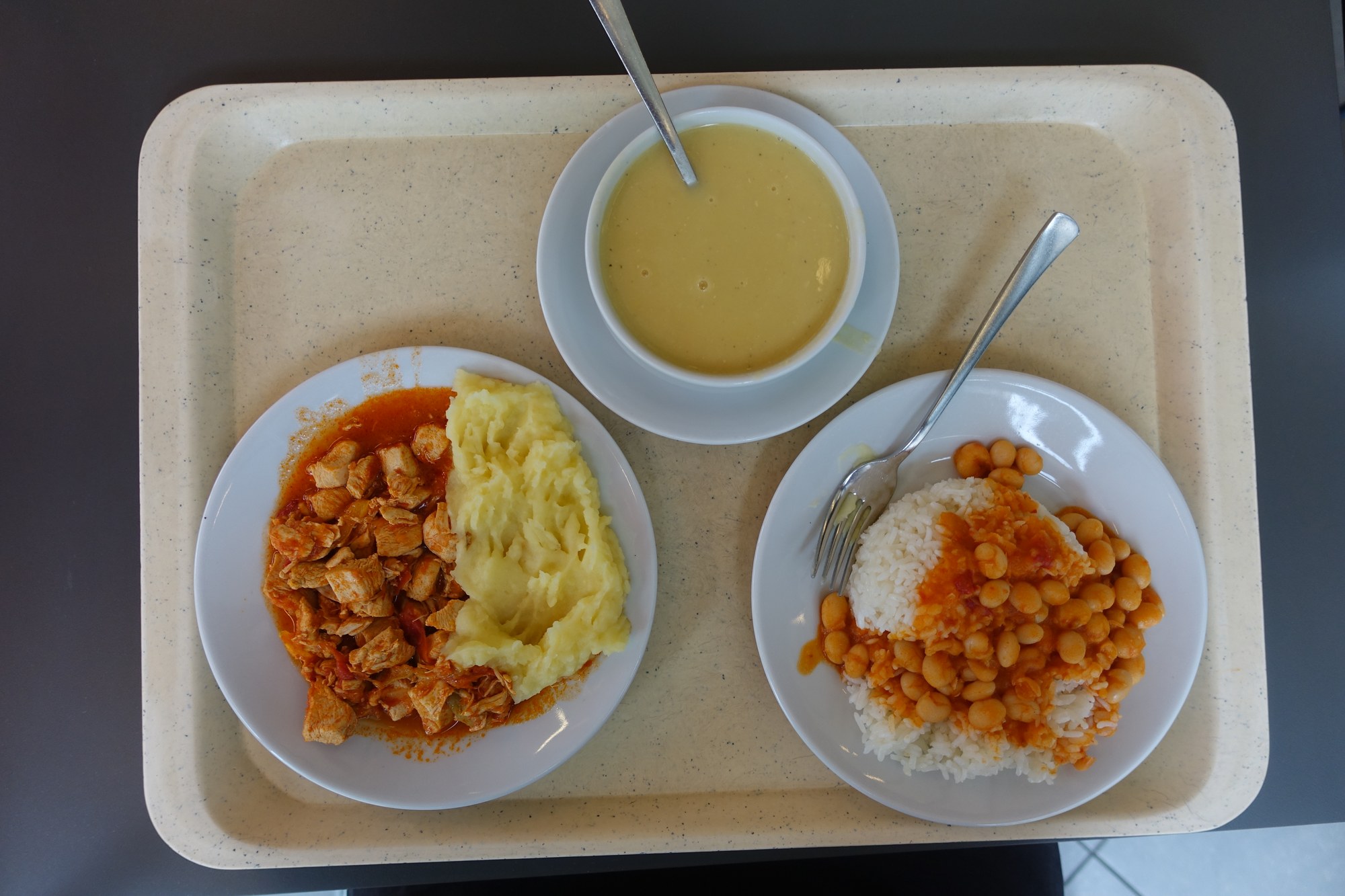
For an ordinary lunch, I like a lokanta, the sort of place where you can choose from several home-style cooked dishes. I might get rice topped with beans alongside sautéed chicken. Add lentil soup, and I have a meal that keeps me full.
In September 2026, that meal costs roughly 700 lira (about £11), depending on the place.
In London, my usual lunch was a supermarket meal deal from Tesco or M&S. I often went for a cheddar-and-mayonnaise sandwich, orange juice, and either a small packet of crisps or some fruit if I felt like making a healthier-looking choice. I remember paying around five pounds during my stay in 2024–25. It was convenient and reasonably cheap, although it rarely felt like enough food for me. Still, after enough packaged sandwiches, I wanted a proper hot lunch again.
Farmer J was one London place I really liked for that reason. It reminded me of a lokanta lunch: several things on the plate, and enough food.
Fish and chips never really won me over. I often came away feeling as though I’d mostly eaten flour and oil. My British friends weren’t particularly pleased with my opinion on this 🥲.
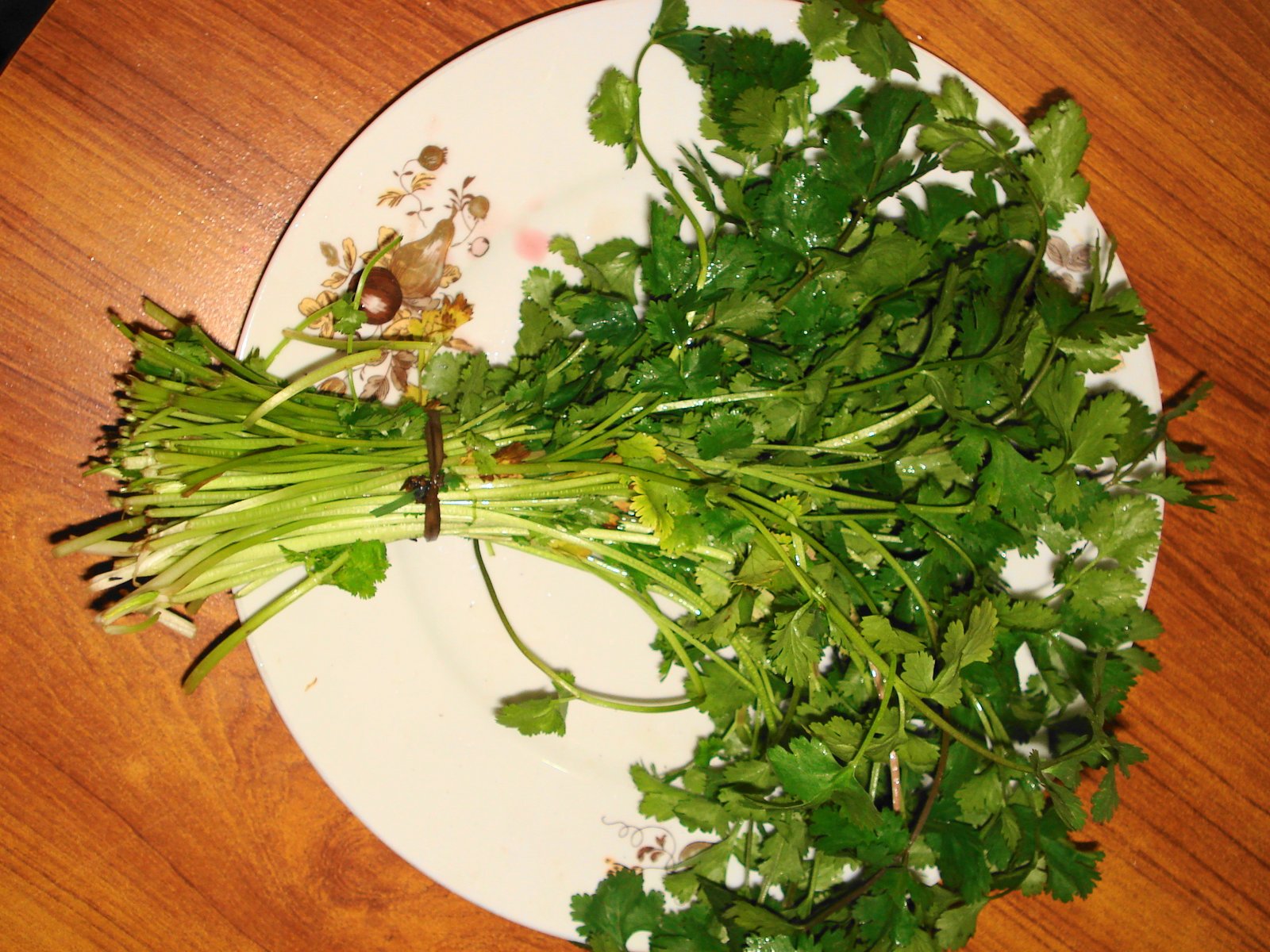
I HATE coriander (aka cilantro, for my American friends). In London, it seemed to turn up in everything. A meal would look delicious, and then coriander would ruin the whole thing for me. I’d eat it anyway because I’d already paid for it, while getting annoyed with myself for forgetting to ask whether it contained coriander. The first time I tried it, I expected something like mint or parsley, which I was used to eating in Turkey. Boy, was I wrong. Thankfully, coriander rarely turns up in the food I eat in Istanbul.
Then there are the little things about eating out, like individually wrapped hand wipes. Almost every restaurant and café I use in Istanbul has them. They’re useful before a meal when I’m too lazy to go and wash my hands, and especially after eating a burger. Unfortunately, I almost never came across them in London restaurants.
One thing I much preferred in London was being able to ask for tap water with a meal and get it for free. In some of the nicer chain restaurants I go to in Istanbul, asking for water gets you a tiny 330 ml glass bottle at a price that often feels unnecessarily high. I don’t think drinking water with a meal should be another expense to think about.
On the other hand, most places I eat at in Istanbul, even small lokantas, bring bread to the table without charging extra. Sometimes there’s butter, olives, or even a few small meze dishes too. In London, these were almost always charged separately, and often very expensive. Charging that much for one or two slices of bread is a serious mark against a restaurant in my book. Maybe some of this comes from being used to Turkey’s meze culture and having little dishes brought to the table.
Cooking at home
Breakfast was my most consistent meal. I’ve shared the recipe for my favourite breakfast in my oat yogurt bowl post. In the evening, I tried to cook. What I ate while living abroad is one of the questions people ask me most often.
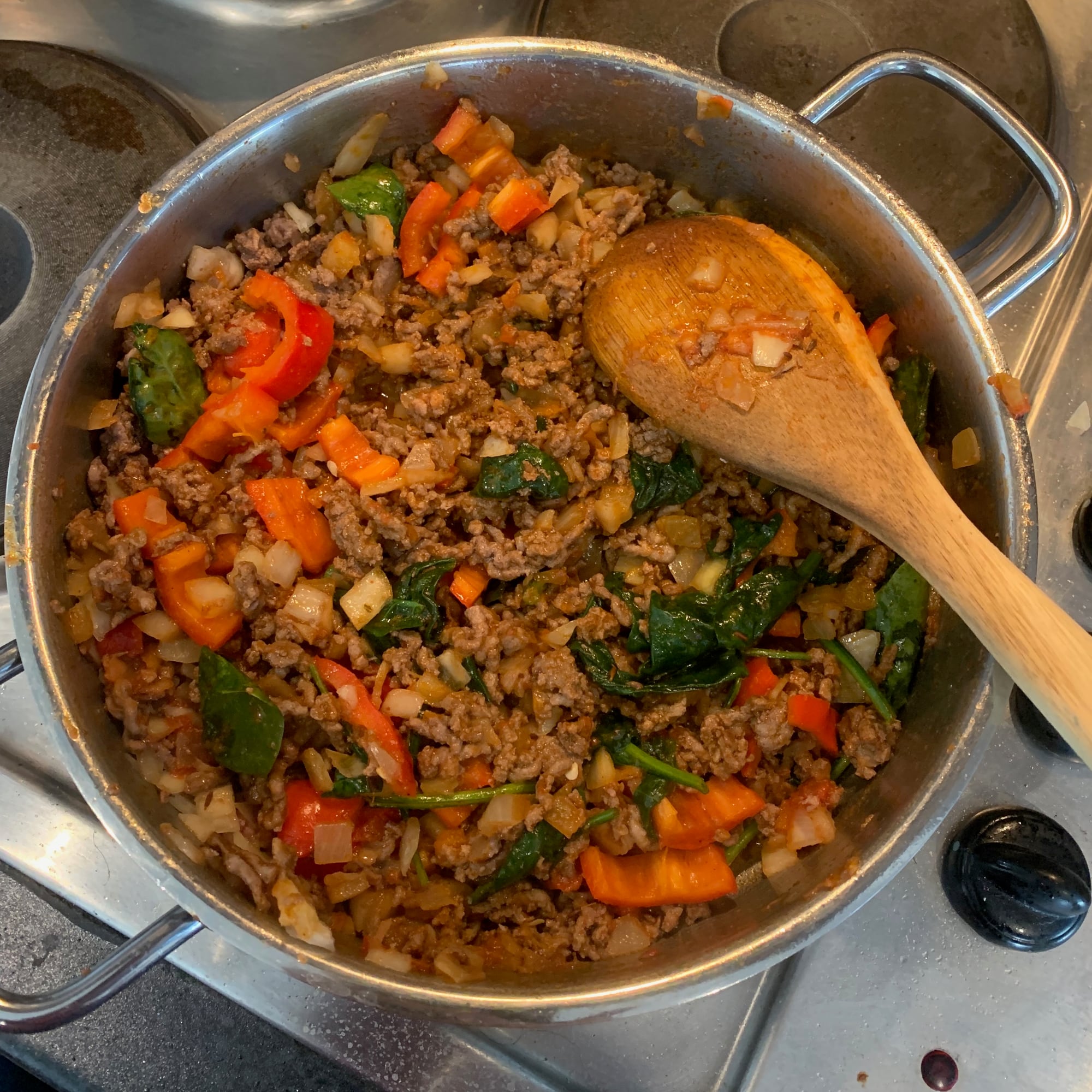
My dinners rotated between oven-baked fish and fairly improvised wraps: minced meat, whatever vegetables I felt like adding, tomato sauce, and a little cheese on top. I also ate a lot of tuna, mayonnaise, and cucumber with different kinds of bread. Trying different combinations of avocado, cheese, and bread almost became a hobby. Most of the time, I was just trying to put together a reasonably healthy meal, rather than make anything particularly delicious.
Here are two of the meals I made in London.
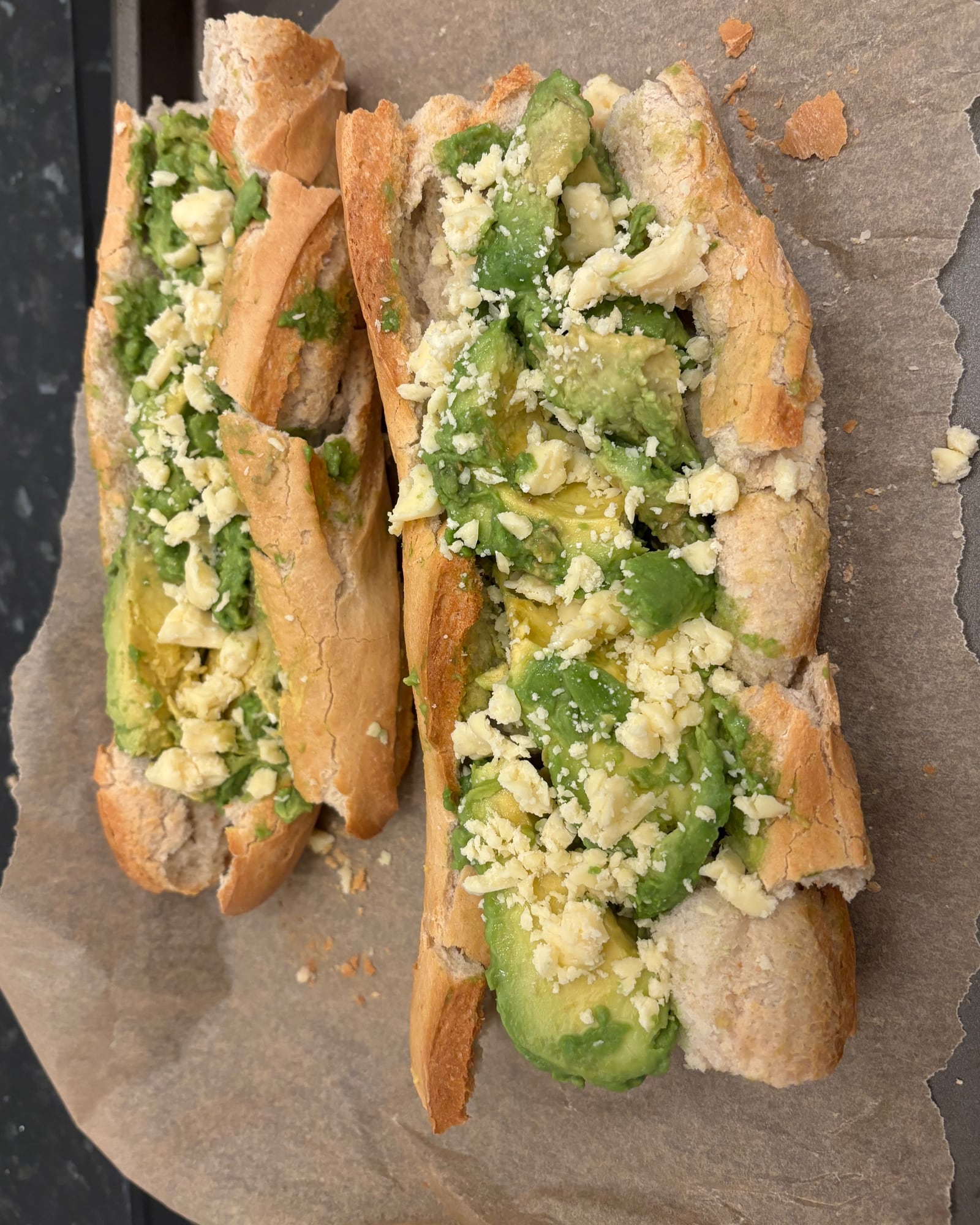
Being a busy student abroad made me better at putting together a quick meal from a few ingredients. I also got more comfortable cooking for myself.
Getting around
My journey from Bayswater to UCL involved a little optimisation game. I could start from Bayswater station or walk further to Royal Oak, depending on my mood and willingness to walk. I usually changed at Edgware Road and got off at Euston Square. The journey took roughly 45 minutes.
I liked being able to make that journey by train, but some Underground journeys were miserable in hot weather. I found the Central, Northern, and Bakerloo lines especially bad. They were also very noisy and generally looked worn and dirty. They clearly need a serious refresh. The Elizabeth line felt like paradise by comparison.
In Istanbul, I combine public transport with driving. If I expect the roads to be busy, public transport is usually more attractive. At other times, a car is much more convenient, especially when the alternative involves several changes. Sometimes I just want air conditioning and a bit of personal space instead of a crowded journey.
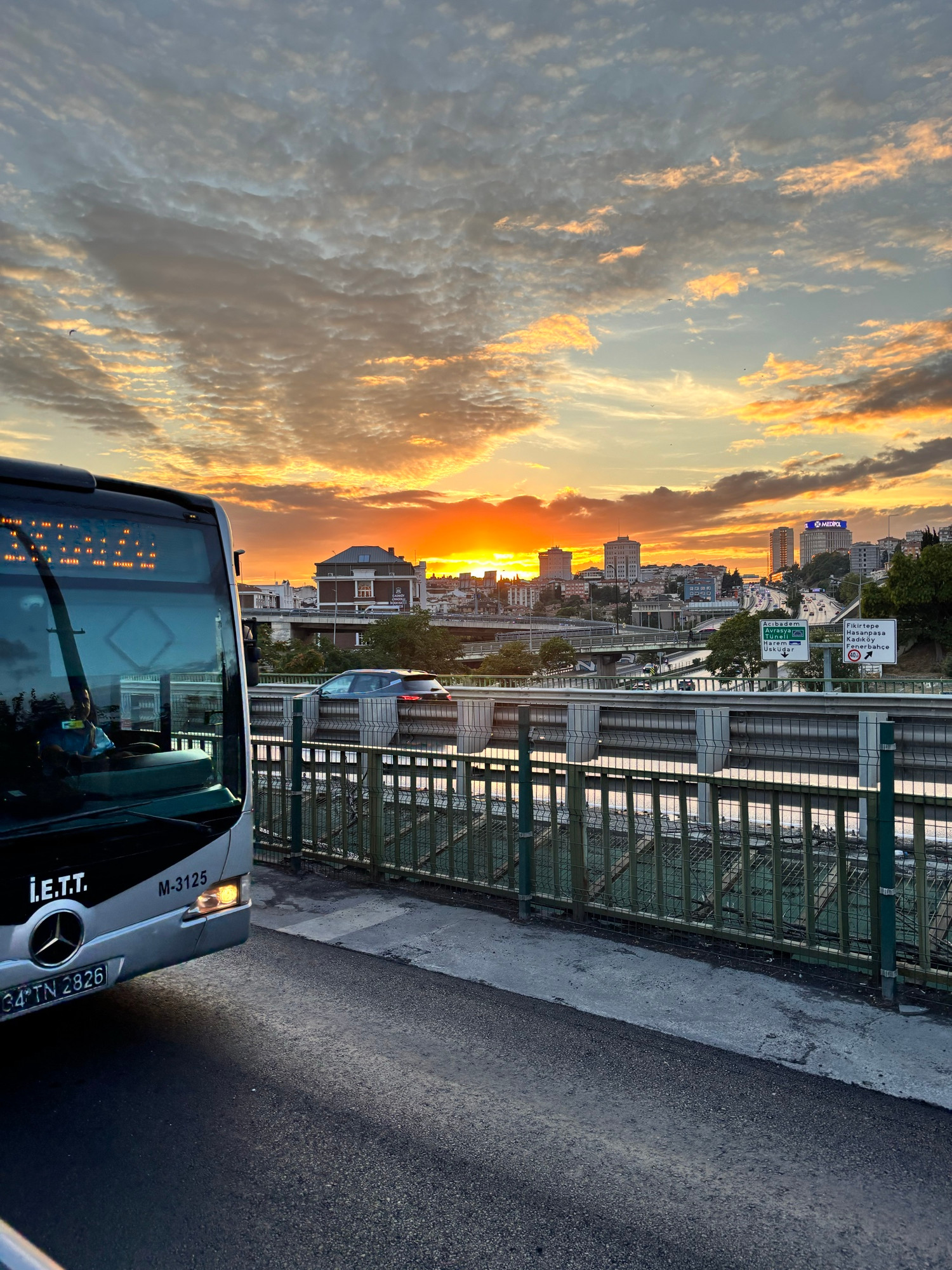
The unpredictability of Istanbul’s traffic is what annoys me most. I can set out at a perfectly reasonable time, including the middle of a weekday, and end up in a serious jam with no obvious explanation. It seems to have become noticeably worse over recent years. I didn’t drive in London, so I can’t compare that side of it directly, but I took enough buses to be late for several appointments there too.
I find Istanbul taxis extremely unreliable these days. I almost never hail one on the street now. I use taxi-calling apps instead, which I’ve found much more reliable.
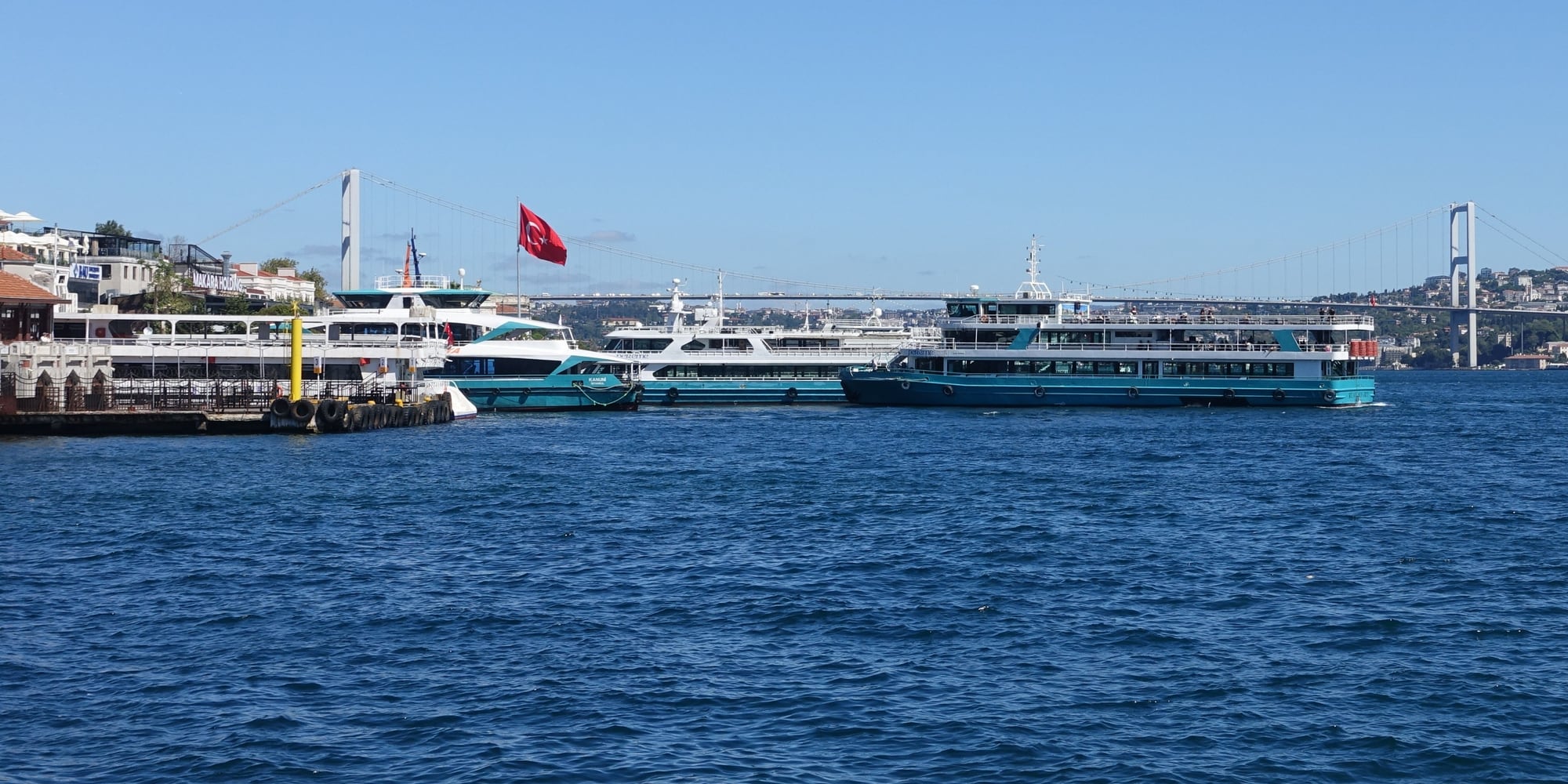
The ferries are easily my favourite form of public transport in Istanbul. Crossing between the two sides of the city gives me sea, seagulls, and waves instead of another stretch of road. I still take photographs, even though I’ve made those crossings so many times.
Feeling more at ease on the road
The second thing I miss is being able to trust drivers a little more, and the small courtesies that made sharing the road feel less stressful. In London, I felt less need to second-guess what someone was about to do, and more often felt they were making room for other people too.
At crossings, I could generally expect drivers to stop. In Istanbul, I pay much closer attention to the cars, especially at crossings that span several lanes. One driver stopping doesn’t mean the driver in the next lane will stop as well. Even drivers who want to stop need to anticipate what the car behind them will do before braking.
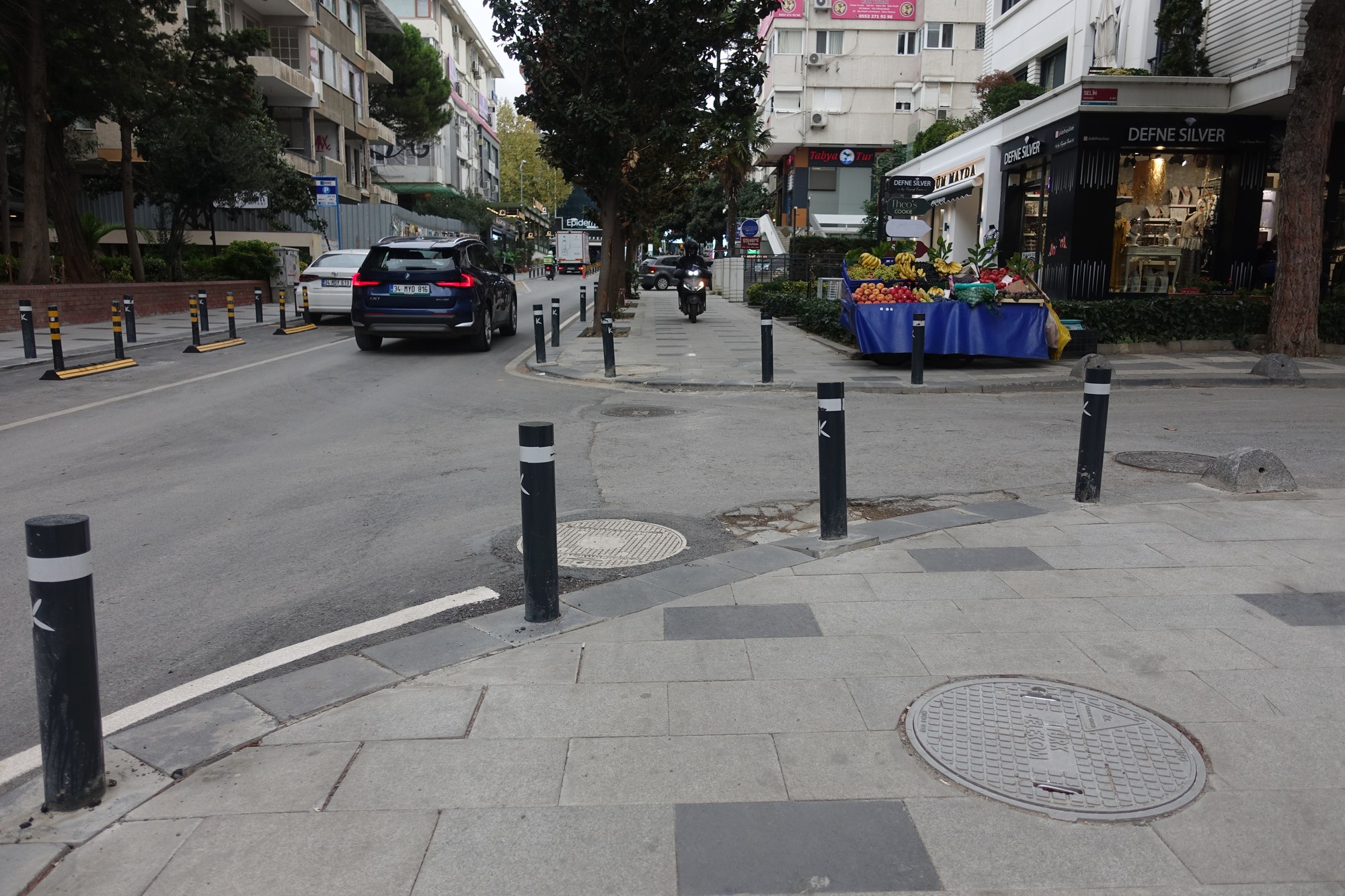
Even on the pavement, I don’t always feel out of the way of traffic. In busy parts of Istanbul, I often see motorbikes riding along it to get around traffic, and cars parked on it. Lately, I’ve been seeing more and more electric scooters on the pavement too. The little metal posts put up to keep cars off it can themselves become obstacles for pedestrians. I’ve seen plenty of people miss them, trip, and fall. I rarely came across posts like these on London’s pavements.
From what I saw as a passenger, London drivers also seemed more willing to make room when lanes merged, stay in their lanes, and signal before changing. In Istanbul, waiting politely for a gap can leave you waiting for quite a while. Changing lanes can feel like an unofficial contest to see who can get the nose of their car in first, regardless of who should give way.
I generally prefer rail, such as Marmaray or the metro, when it’s a practical option, but I take minibuses and dolmuş almost daily. These are small buses and shared taxis that follow set routes, with minibuses carrying more people, including standing passengers. Standing in a minibus is especially awkward at my height. There isn’t much room above my head, and the driver suddenly swerving doesn’t help.
Recently, I was sitting next to the driver in a dolmuş. He was taking corners with very little braking and making sharp moves between cars. I could hear the tyres as we turned. At one point, he complained that another driver didn’t know how to drive. I couldn’t help myself: “I think you’re driving a bit aggressively yourself.”
He laughed and told me about his years of rally driving. A rallying career wasn’t quite the reassurance I was hoping for. He said he’d also driven a dolmuş for years without an incident.
Again, I couldn’t help pointing out that most passengers in the back weren’t even wearing seatbelts. If a cat ran into the road, one sudden stop could send them flying into the seats in front.
On London buses, drivers generally seemed more willing to wait for people to finish boarding or getting off. In Istanbul, I’ve had several scary experiences of a bus pulling away before I’d finished boarding. It’s hard to relax on a journey that starts like that.
Feeling safe, and feeling at home
Despite feeling safer in London’s traffic, I feel more at ease in Istanbul when it comes to personal security. I don’t want to turn this into a city-wide crime comparison. I’ll stick to my own experiences.
In London, I witnessed quite a few thefts, mostly of phones, with my own eyes. Friends’ experiences affected me too: one had a laptop stolen on the Tube, and another was attacked while cycling. Seeing things happen myself, then hearing about them from people I knew, made it harder to feel relaxed.
Getting to know people more easily is another reason I feel comfortable in Istanbul. If I keep going to the same café, a sense of familiarity tends to develop with the people who work there. To me, that feels like part of the culture in Istanbul. I found it harder to build that sort of warmth in London.
During a taxi ride on Istanbul’s European side, the driver asked which route I preferred. I told him I’d grown up on the Asian side and didn’t know this part of the city very well. As we made our way to my destination, he started telling me about each neighbourhood and square we passed along our route.
He’d been driving taxis on the European side for thirty years. We talked about the hills and how quickly the roads wore out the cars on that side. I said I found it more chaotic, but that most of the city’s beauty, historic sights, and places to go out were there too. He burst out laughing, then said, “We’ve got the traffic, the bad roads, the high prices. Should the Asian side get all the beauty as well?”
I grew up in Istanbul, so my family and friends are here, and I know the city well. I made good friends in London too, but coming back to Istanbul meant returning to people and habits that were already part of my life. That has a lot to do with why I feel happier here.
But I don’t love Istanbul just because I grew up here. Even with all this disorder, there’s something about the city that draws me in. I hope that, over time, Istanbul becomes a city where we’re more considerate towards each other and feel safer. That would let us enjoy its liveliness with a little more peace of mind.